

You React Too Fast
Why speed is the enemy of strength

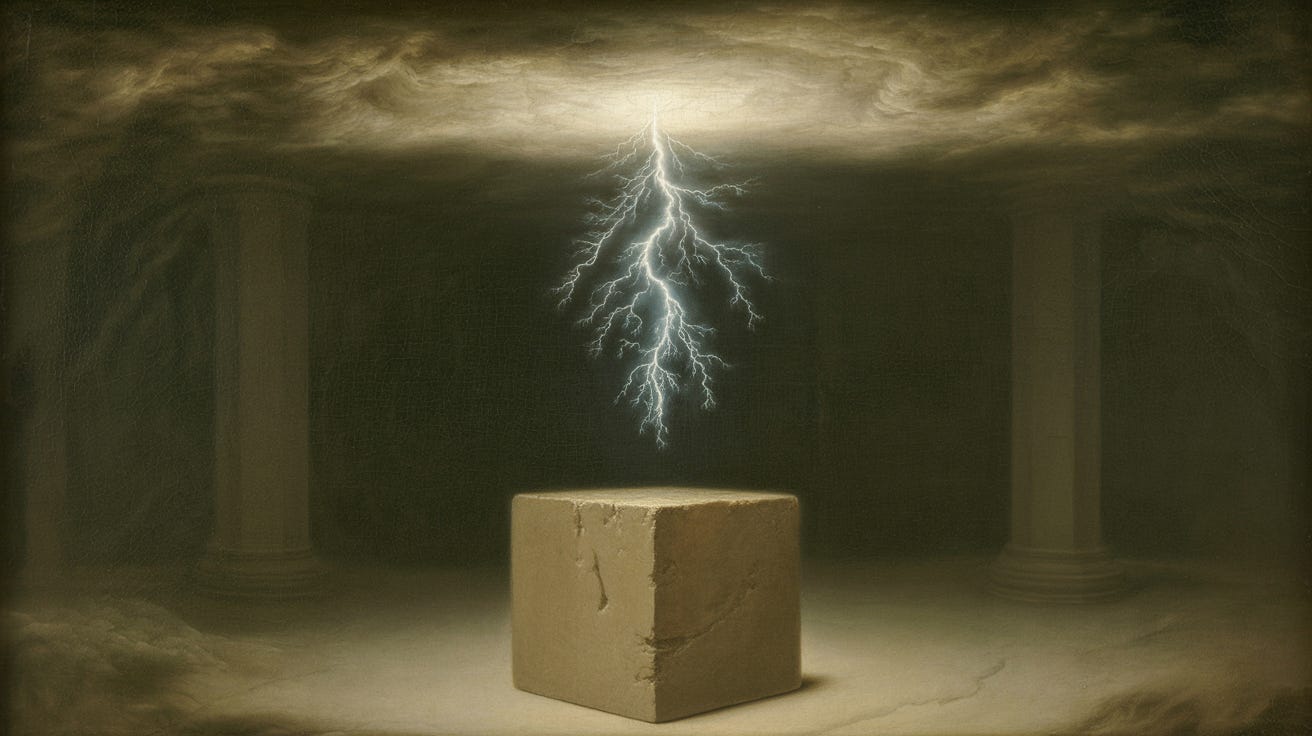
Speed looks powerful.
Quick replies. Instant opinions. Immediate reactions. Fast decisions. Fast anger. Fast defense.
Modern culture rewards speed. The fastest response often wins attention. The quickest opinion earns validation. The immediate reaction feels strong.
Stoicism sees something else.
Speed without control is weakness.
The person who reacts instantly is not powerful. They are predictable.
And predictability is easy to control.
Reaction Is Not Strength
When something provokes you, your body responds before your mind does.
A comment irritates you.
A message triggers you.
A delay frustrates you.
A disagreement challenges your ego.
The reaction rises quickly.
Most people act at that exact moment.
They speak before thinking.
They defend before understanding.
They attack before reflecting.
This feels natural. It feels honest. It feels authentic.
But it is not disciplined.
Stoicism teaches that between stimulus and response there is space. That space is where strength lives.
When you remove that space, you remove control.
The Fast Mind Is an Exposed Mind
If someone can predict your reaction, they can control you.
If they know you will argue when criticized, they can provoke you.
If they know you will panic under pressure, they can pressure you.
If they know you will respond emotionally, they can manipulate you.
The fastest reactor in the room is often the weakest.
The calmest person holds the advantage.
Because calm creates unpredictability.
And unpredictability creates power.
Why We React So Quickly
You react fast because it feels relieving.
Expression discharges tension. Defense protects ego. Anger creates temporary confidence.
But relief is not mastery.
The more you react instantly, the more your nervous system expects instant release. You lower your tolerance for internal discomfort.
Soon, you cannot sit with irritation. You cannot tolerate misunderstanding. You cannot endure silence.
You become dependent on response.
And dependency is weakness.
Emotional Speed Creates Regret
Fast reactions often lead to slow consequences.
Words spoken in anger cannot be retrieved.
Decisions made in fear create instability.
Messages sent in frustration damage reputation.
The moment feels urgent, but most situations are not.
Very few moments require immediate reaction.
Most require clarity.
The Stoic understands this. They delay response, not because they are unsure, but because they are disciplined.
The Discipline of Pause
Pausing is not passivity.
It is command.
When provoked, the Stoic does not rush to respond. They observe the emotion first.
They ask:
Is this worth my energy?
Is this within my control?
Is this aligned with my standards?
This pause interrupts impulse.
And impulse control is the foundation of confidence.
When you know you can control your reaction, you feel stronger. When you know you might explode at any moment, you feel unstable.
Confidence requires steadiness.
Slow Is Strategic
Speed often serves ego. Slowness serves clarity.
When you slow down:
You think more precisely.
You speak more carefully.
You choose more intentionally.
This does not make you passive. It makes you deliberate.
Deliberate action carries more weight than emotional reaction.
A calm response is often more intimidating than a loud one.
The Stoic Advantage
Most people react emotionally to protect their pride.
The Stoic protects their character instead.
Pride reacts.
Character responds.
Pride defends instantly.
Character evaluates first.
Pride wants to win the moment.
Character wants to win long term.
If you are always fighting to win moments, you will lose stability.
If you control your reactions, you control your trajectory.
Where Speed Is Destroying You
Look honestly at your life.
Do you reply to criticism immediately?
Do you check your phone the moment it buzzes?
Do you interrupt others before they finish speaking?
Do you argue before understanding?
Each fast reaction is a small surrender of control.
You are training your nervous system to jump, not to stand.
Over time, this becomes identity.
You start believing you are just “passionate” or “direct.”
In reality, you are reactive.
How to Rebuild Composure
The solution is simple, but difficult.
Delay.
Wait ten seconds before replying in tense moments.
Wait one hour before sending emotional messages.
Wait one day before making decisions driven by frustration.
At first, the delay will feel uncomfortable.
You will feel pressure to respond. Pressure to defend. Pressure to react.
That pressure is weakness leaving your system.
The longer you can hold still, the stronger you become.
Strength Is Measured by What You Do Not Do
Most people measure strength by action.
Stoicism measures it by restraint.
Strength is not shouting when insulted.
Strength is not retaliating when provoked.
Strength is not panicking when uncertain.
Strength is control over impulse.
The person who cannot be rushed cannot be easily manipulated.
The person who cannot be provoked cannot be easily defeated.
The Confidence of the Unmoved
When you stop reacting instantly, something changes.
You feel less anxious.
You feel less pressured.
You feel less dependent on validation.
You begin to trust your own stability.
That trust becomes confidence.
Not loud confidence. Not dramatic confidence.
Calm confidence.
The kind that does not need to prove itself.
You react too fast because you think speed equals strength.
It does not.
Power grows in the pause.
Until next time,
— Stoic Journal
Related posts:
Stillness Helps you Hear What Matters
You Do Not Have to Carry Every Thought
Not Every Thought Deserves a Response
Some Things Can Only Be Learned in the Dark
The Mind Is a Blade. Sharpen It Slowly.
Silence Is a Decision, Not an Absence
The Discipline of Holding the Line

Stunning!🗿
Great read!